























Table of Contents
ToggleFlower Meanings? Meaning, Symbolism, Types, and Modern Usage (2026 Guide)
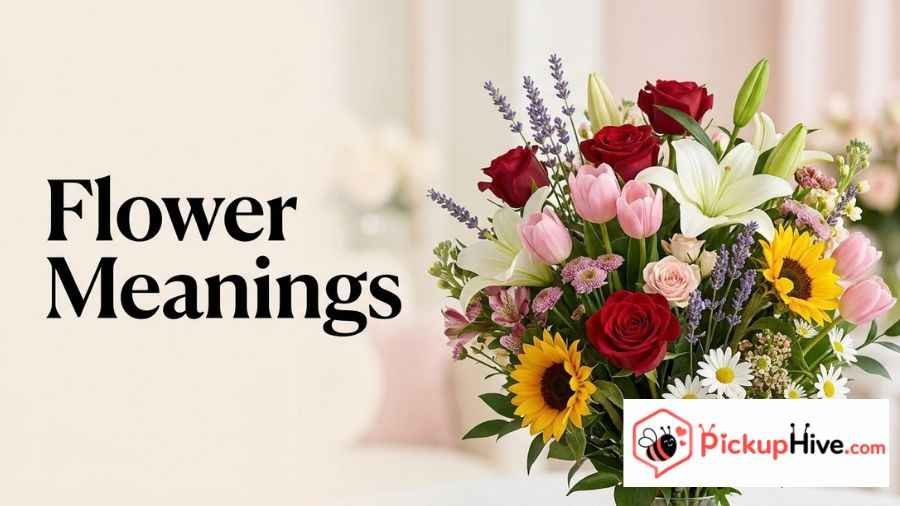
Flowers have a special way of expressing feelings that are sometimes difficult to put into words. Imagine receiving a bouquet of red roses from someone you love. You might immediately think of romance. However, a bunch of yellow roses could send a completely different message, such as friendship or happiness.
Understanding flower meanings can help you choose the right flowers for birthdays, weddings, anniversaries, sympathy gifts, and other important moments. Different flowers have different meanings, and even their colors can change the message they communicate.
People have used flowers to express love, gratitude, hope, sadness, and respect for centuries. Today, this tradition continues through bouquets, social media posts, wedding decorations, and thoughtful gifts. Some people also choose flowers based on their personal feelings or cultural traditions.
Whether you’re buying flowers for someone special, planning an event, or simply curious about floral symbolism, knowing what each flower represents can make your choice more meaningful.
In this guide, you’ll discover the meanings of popular flowers, their colors, their cultural significance, and how to choose the right bloom for every occasion.
Quick Answer: What Do Flower Meanings Represent?
Flower meanings are the emotions, messages, and ideas associated with different types and colors of flowers. For example, red roses commonly symbolize romantic love, sunflowers represent happiness, and lilies often represent purity or remembrance. People use flowers to express feelings, celebrate special occasions, and communicate messages without words.
Examples:
-
Red roses: “I love you.”
-
Yellow tulips: “I’m thinking of you.”
Detailed Meaning Breakdown
Primary Meaning
At their core, flower meanings describe the feelings and ideas people associate with particular blooms. These associations are often called floral symbolism or the language of flowers.
For example, roses are widely connected with love, while daisies often represent innocence and new beginnings. These associations help people select flowers that match their emotions or the occasion.
Flowers can communicate several different messages:
-
Love: Romantic feelings, affection, and devotion.
-
Friendship: Loyalty, appreciation, and happiness.
-
Hope: Fresh starts, healing, and optimism.
-
Gratitude: Thankfulness and recognition.
-
Sympathy: Comfort, remembrance, and support.
-
Beauty: Elegance, admiration, and appreciation.
The meaning isn’t always fixed. A flower can represent different things depending on its color, the occasion, and the person receiving it.
For instance, white roses are often associated with purity and remembrance, while red roses are strongly linked to romantic love.
Secondary Meanings
Some flowers have additional meanings beyond their most familiar symbolism.
A sunflower, for example, can represent happiness, but it can also symbolize loyalty and admiration because of its association with warmth and sunlight.
Similarly, lavender is often connected with calmness, relaxation, and devotion. It can be a thoughtful choice for someone who needs encouragement or comfort.
Other secondary meanings include:
-
Orchids: Luxury, strength, beauty, and refinement.
-
Peonies: Prosperity, good fortune, and a happy marriage.
-
Carnations: Affection, admiration, and remembrance.
-
Hydrangeas: Gratitude, heartfelt emotion, and sometimes apology.
-
Daffodils: Renewal, optimism, and the arrival of spring.
These meanings are especially useful when choosing flowers for gifts. A bouquet can communicate more than one feeling when it includes different blooms.
Rare or Misinterpreted Meanings
Not every flower has a universally positive meaning. Some flowers have symbolism that surprises people.
Yellow carnations, for example, have traditionally been associated with disappointment or rejection in certain floral traditions. However, many modern bouquets use them simply for their bright color.
Likewise, chrysanthemums have different meanings around the world. In some countries, they represent happiness and long life. In others, they’re strongly associated with funerals and remembrance.
Black roses are another example. They don’t naturally grow in a true black color, but very dark roses are often used to represent mystery, farewell, transformation, or the end of a chapter.
The main lesson is simple: a flower’s meaning depends on more than its name. Consider its color, cultural background, and the occasion before interpreting its message.
What Flower Meanings Represent in Different Contexts
In Texting and Messaging
Flowers have become a popular way to communicate emotions in everyday messages. People send flower emojis, share bouquet pictures, or include flowers in messages to make their words feel warmer.
The rose emoji 🌹 is commonly used to express love, admiration, or appreciation. A sunflower emoji 🌻 can suggest happiness, positivity, or friendship.
For example:
-
“You always make my day 🌻” expresses warmth and appreciation.
-
“Thank you for being there for me 🌷” communicates gratitude.
-
“Sending you flowers because you deserve them 💐” suggests affection and kindness.
A flower emoji can also soften a message. Someone might use a tulip or daisy emoji when offering encouragement without making the conversation overly emotional.
In my experience, the surrounding words matter more than the emoji itself. A rose sent after a romantic confession carries a different message from one included in a friendly birthday greeting.
On Social Media Platforms
Flowers are popular on social media because they’re visually appealing and can express emotions without long captions.
Instagram: People often use flower symbolism in captions, stories, and posts about relationships, birthdays, weddings, and personal growth. A picture of blooming flowers might accompany a caption about starting a new chapter.
Snapchat: Flower emojis are frequently used in casual chats, birthday snaps, and messages between friends. A bouquet emoji can make a simple greeting feel more thoughtful.
TikTok: Flower arrangements and flower-themed videos often appear in content about romance, self-care, gardening, and meaningful gifts. Creators may explain the symbolism behind different flowers.
Threads: People may use flower emojis or floral references in short posts about gratitude, kindness, nature, and personal experiences.
A flower photograph can also communicate a mood. Soft pink flowers might suggest romance, while bright sunflowers can create a cheerful, energetic feeling.
In Dating and Relationships
Flowers have a long history of expressing romantic feelings. Their symbolism remains popular in modern relationships, especially when someone wants to show affection through a thoughtful gift.
Red roses are commonly associated with passionate love. Pink roses often communicate admiration, appreciation, and gentle affection. White roses may represent sincerity and a fresh beginning.
However, romantic gestures don’t always need roses.
Tulips can express affection in a simple, cheerful way. Peonies are popular for weddings because they’re associated with romance and a happy marriage. Orchids can communicate admiration and elegance.
Consider these situations:
-
A person gives red roses to express romantic love.
-
Someone sends pink tulips to show affection without making a grand gesture.
-
A couple chooses white flowers for a wedding to symbolize a new beginning.
Flowers can be meaningful at every stage of a relationship. A small bouquet may communicate genuine affection just as effectively as an expensive arrangement.
In Professional Communication
Flowers are also used in workplaces and professional settings, although their meaning is usually more formal.
A bouquet may be sent to congratulate a colleague on a promotion, celebrate a business opening, or express sympathy after a loss.
For professional occasions, consider flowers such as:
-
White lilies: Often used in sympathy arrangements.
-
Yellow roses: Suitable for expressing friendship and appreciation.
-
Orchids: Frequently chosen for business gifts and formal celebrations.
-
Sunflowers: Can create a cheerful impression when congratulating someone.
It’s wise to consider the recipient’s preferences and workplace culture. Romantic flowers, such as red roses, may send an unintended message in a professional relationship.
A simple, tasteful arrangement with a short note is often appropriate.
Cultural or Regional Differences
Flowers don’t carry exactly the same meanings in every country. Traditions, religious practices, and historical events can influence how people interpret particular blooms.
For example, chrysanthemums are associated with remembrance and funerals in several European countries. In China, they can also represent longevity and good fortune.
In Japan, cherry blossoms are closely associated with the beauty of life and its temporary nature. Their short blooming season makes them a powerful symbol of impermanence.
In many Western cultures, red roses are strongly connected with romantic love. However, other cultures may place greater importance on different flowers or colors.
When choosing flowers for someone from another cultural background, it’s helpful to learn about their traditions rather than assume that familiar symbolism applies everywhere.
Also Read This: What Does LYG Mean in Text
Where Are Flower Meanings Used?
Flowers communicate emotions in many everyday situations. Their symbolism appears in gifts, celebrations, social media, and personal messages.
-
Snapchat 👻: Friends may send a flower emoji to brighten someone’s day or celebrate a birthday.
-
TikTok 🎵: Creators use flower symbolism in videos about love, personal growth, and meaningful gifts.
-
Instagram DMs 📩: A bouquet photo or rose emoji can express affection or appreciation.
-
WhatsApp 💬: People send flower emojis to congratulate someone, offer sympathy, or share a kind message.
-
Gaming chats 🎮: Players may use flower emojis to celebrate a teammate or send a friendly greeting.
Flower symbolism is mostly casual and personal in everyday communication. It can also be semi-formal when used in greeting cards, invitations, or workplace gifts. In formal settings, the flowers themselves usually communicate the message rather than an emoji.
Spiritual, Numerology, or Cultural Meaning of Flowers
Flowers have spiritual and cultural importance in many parts of the world. Their meanings often relate to renewal, peace, devotion, and the natural cycle of life.
The lotus flower is one of the most recognizable spiritual symbols. In Hinduism and Buddhism, it is associated with purity, spiritual growth, and enlightenment. Its ability to grow in muddy water makes it a symbol of rising above difficult circumstances.
The white lily is associated with purity and spiritual renewal in several Christian traditions. Lilies are also used in religious ceremonies and memorial services.
The cherry blossom has a special place in Japanese culture. Its brief blooming period is often connected with the temporary nature of life and the importance of appreciating the present.
Some people also associate flowers with personal growth and positive energy. A blooming flower may represent a fresh start, while a flower opening toward the sunlight can suggest hope.
There isn’t one universal spiritual meaning for every flower. Interpretations vary between religions, communities, and personal beliefs.
Tone, Psychology, and Why People Use Flower Symbolism
Why People Use Flowers and What They Signal Socially
People often choose flowers because they can express feelings in a gentle, thoughtful way. A bouquet can communicate affection without requiring a long speech.
Flowers are also connected with important life events. They’re used to celebrate births, weddings, graduations, anniversaries, and achievements. At the same time, they’re a familiar way to show support during illness, grief, or difficult periods.
Different flowers can help people express different emotions.
-
Roses can communicate love or admiration.
-
Sunflowers can suggest happiness and encouragement.
-
Daisies can represent innocence and simplicity.
-
Lavender can create a feeling of peace and calm.
-
Forget-me-nots can symbolize remembrance.
The colors and arrangement also influence how a bouquet feels. Bright colors often create an energetic impression, while softer shades can feel gentle and peaceful.
Emotional Layer Behind Flower Symbolism
Flowers can carry different emotional tones depending on how they’re presented.
Friendly: Yellow flowers, daisies, and sunflowers are often chosen to express warmth and happiness.
Romantic: Red roses, pink tulips, and peonies can communicate affection or romantic interest.
Comforting: White lilies, lavender, and gentle pastel arrangements may offer comfort during difficult times.
Respectful: White roses and chrysanthemums are often used in memorial arrangements, depending on cultural traditions.
Imagine receiving a bouquet of yellow tulips after a difficult week. You might interpret it as a cheerful reminder that someone cares about you.
However, flowers don’t reveal someone’s exact intentions. A romantic-looking bouquet could be a friendly gesture, while a simple flower might have a deeply personal meaning.
10 Real Flower Meaning Examples Explained
Here are ten everyday situations showing how flowers can communicate different messages.
1. Red roses on Valentine’s Day
-
Message: “I got these because I love you.”
-
Meaning: A traditional expression of romantic love.
-
Tone: Passionate and affectionate.
-
Likely interpretation: The sender wants to express romantic feelings.
2. Sunflowers after an achievement
-
Message: “Congratulations! You did amazing.”
-
Meaning: Happiness, admiration, and encouragement.
-
Tone: Cheerful and supportive.
-
Likely interpretation: The sender is celebrating your success.
3. White lilies at a memorial
-
Message: “Thinking of you and your family.”
-
Meaning: Sympathy, remembrance, and peace.
-
Tone: Respectful and comforting.
-
Likely interpretation: The sender wants to offer support during a loss.
4. Pink tulips on an ordinary day
-
Message: “Just wanted to make you smile.”
-
Meaning: Gentle affection and appreciation.
-
Tone: Sweet and friendly.
-
Likely interpretation: The sender cares about you and wants to brighten your day.
5. Daisies for a birthday
-
Message: “Hope your birthday is full of happiness!”
-
Meaning: Innocence, joy, and new beginnings.
-
Tone: Lighthearted and positive.
-
Likely interpretation: A cheerful birthday gesture.
6. Orchids as a business gift
-
Message: “Congratulations on your new office.”
-
Meaning: Respect, admiration, and refinement.
-
Tone: Professional and thoughtful.
-
Likely interpretation: The sender wants to recognize an achievement.
7. Lavender for someone feeling stressed
-
Message: “I hope these help you relax.”
-
Meaning: Calmness and comfort.
-
Tone: Gentle and caring.
-
Likely interpretation: The sender wants you to feel supported.
8. Peonies for a wedding
-
Message: “Wishing you a beautiful life together.”
-
Meaning: Romance, prosperity, and a happy marriage.
-
Tone: Loving and celebratory.
-
Likely interpretation: A wish for lasting happiness.
9. Forget-me-nots for an old friend
-
Message: “I’ll always remember our friendship.”
-
Meaning: Remembrance and lasting connection.
-
Tone: Nostalgic and heartfelt.
-
Likely interpretation: The sender values shared memories.
10. Yellow roses after an argument
-
Message: “I hope we can be friends again.”
-
Meaning: Friendship and reconciliation in a modern context.
-
Tone: Warm and hopeful.
-
Likely interpretation: The sender may be trying to rebuild a connection.
These examples show how the same flower can communicate different feelings depending on the relationship and occasion.
Where Misunderstandings Happen
Context Confusion
One common misunderstanding occurs when someone assumes that a flower has only one meaning.
For example, red roses are often romantic, but they can also be used to show admiration or appreciation. Similarly, white flowers may represent peace, purity, or remembrance.
The occasion and relationship between the sender and receiver help clarify the message.
Generational Gap
Different generations may interpret floral gestures differently.
Older adults may be more familiar with traditional flower symbolism, while younger people might choose flowers mainly for their appearance, color, or social media appeal.
Someone might send a flower emoji simply because it looks pretty, without intending any deeper message.
Platform Differences
A flower in a private message may feel personal, while the same flower in a public Instagram post could simply be decorative.
On social media, people frequently use flower emojis to create a particular mood rather than communicate a traditional symbolic meaning.
It’s best not to assume that every flower emoji has a hidden message.
Similar Flowers and Their Meanings
|
Flower |
Meaning |
How It Differs from Other Flowers |
|---|---|---|
|
Rose |
Love and admiration |
Often associated with romantic feelings. |
|
Tulip |
Love and happiness |
Usually has a softer, cheerful impression. |
|
Sunflower |
Joy and loyalty |
Strongly associated with optimism and warmth. |
|
Daisy |
Innocence and new beginnings |
Often represents simplicity and freshness. |
|
Lily |
Purity and remembrance |
Frequently used in religious and memorial settings. |
|
Orchid |
Beauty and refinement |
Commonly associated with elegance and luxury. |
|
Peony |
Prosperity and romance |
Often connected with weddings and good fortune. |
|
Carnation |
Affection and admiration |
Has different meanings depending on its color. |
|
Lavender |
Calmness and devotion |
Often associated with relaxation and peace. |
|
Chrysanthemum |
Joy or remembrance |
Its meaning varies considerably by culture. |
When Not to Use Flower Symbolism
Professional Risks
Avoid giving romantic flowers to a colleague unless you know the gesture will be welcome. Red roses, in particular, may be interpreted as a romantic gesture.
For professional occasions, choose flowers that communicate congratulations, appreciation, or sympathy without creating confusion.
Cultural Risks
Some flowers have specific associations with funerals or religious ceremonies. A bouquet that’s appropriate in one country may be unsuitable in another.
If you’re sending flowers internationally or to someone from a different cultural background, check local customs first.
Tone Risks
Flowers can sometimes communicate stronger emotions than intended.
For example, giving a large bouquet of red roses to someone you’ve recently started dating might feel overwhelming. Similarly, sending a cheerful bouquet to someone experiencing grief may not suit the situation.
Think about the recipient’s feelings before choosing the arrangement.
Expert Tips for Understanding Flower Meanings Correctly
Here are some practical ways to choose flowers and understand their symbolism.
-
Consider the occasion: Birthday flowers and sympathy flowers usually communicate different emotions.
-
Think about the recipient: Choose flowers that match their personality and preferences.
-
Pay attention to color: Red, pink, yellow, and white flowers often carry different associations.
-
Understand cultural traditions: Research local customs when giving flowers across cultures.
-
Avoid assuming romantic intentions: A bouquet doesn’t automatically mean someone is in love.
-
Choose flowers with a clear message: Sunflowers work well for cheerful occasions, while roses can express affection.
-
Consider the arrangement: A simple bouquet may feel more personal than an elaborate one.
-
Include a short note: A few sincere words can make your gift more meaningful.
-
Respect personal preferences: Some people prefer plants or other gifts instead of cut flowers.
-
Focus on the relationship: The meaning of a bouquet often depends on how well you know the recipient.
These simple steps can help you choose a thoughtful gift without relying too heavily on traditional symbolism.
Frequently Asked Questions
1. What do flower meanings represent?
Flower meanings represent the emotions, ideas, and messages associated with different flowers. Roses commonly symbolize love, sunflowers represent happiness, and lilies are often connected with purity or remembrance. These associations help people choose flowers for gifts, celebrations, and important personal moments.
2. Which flower symbolizes love?
Red roses are among the most widely recognized symbols of romantic love. However, tulips and peonies can also represent affection and romance. The best choice depends on the relationship, the occasion, and the message you want to communicate.
3. Which flower represents happiness?
Sunflowers are strongly associated with happiness, warmth, and positivity. Their bright yellow petals make them a popular choice for cheerful gifts. Yellow tulips and daisies can also represent joy, friendship, and optimism.
4. What flower symbolizes new beginnings?
Daffodils are commonly associated with renewal, hope, and new beginnings because they bloom in spring. White roses can also symbolize fresh starts, while cherry blossoms represent the beauty of new seasons and life’s changing stages.
5. Do flower colors change their meanings?
Yes. The color of a flower can change its traditional symbolism. Red roses often represent romantic love, while pink roses are associated with admiration and gratitude. White roses can represent purity or remembrance, and yellow roses commonly symbolize friendship and happiness.
6. What flowers are suitable for expressing sympathy?
White lilies, white roses, and chrysanthemums are frequently used in sympathy arrangements. However, appropriate choices vary by culture and personal preference. A simple bouquet accompanied by a sincere message can communicate care and support during a difficult time.
7. Can flowers have spiritual meanings?
Yes. Several flowers have spiritual significance in different religions and cultures. The lotus is associated with purity and enlightenment in Hinduism and Buddhism. Lilies can symbolize spiritual renewal in Christianity, while cherry blossoms have cultural associations with life’s temporary nature in Japan.
8. How do I choose flowers with the right meaning?
Start by considering the occasion and your relationship with the recipient. Then choose flowers and colors that match the emotion you want to express. If you’re unsure about traditional symbolism, select flowers the recipient enjoys and include a personal note explaining your feelings.
Final Summary & Smart Usage Advice
Flowers are more than beautiful decorations. They can express love, friendship, happiness, gratitude, sympathy, and hope. Different blooms carry different associations, and their colors can change the message they communicate.
Red roses are widely recognized as a symbol of romantic love, while sunflowers are associated with happiness and warmth. Lilies can represent purity or remembrance, and tulips often communicate affection and cheerfulness.
However, flower meanings aren’t universal rules. Cultural traditions, personal experiences, and the occasion all influence how someone interprets a bouquet. A flower that represents celebration in one country may have a connection with mourning in another.
When choosing flowers, think about the person receiving them. Consider their preferences, your relationship, and the message you want to share. You don’t need to follow every traditional meaning to make a thoughtful choice.
If you’re giving flowers for a birthday, anniversary, wedding, or difficult moment, a simple arrangement and a heartfelt note can make the gesture even more special.
The most meaningful flowers are often those chosen with genuine care. Their symbolism adds depth, but your intention is what makes the gift personal.
Final takeaway: Choose flowers with your heart, and let their meanings add a little more feeling to your message.

Hi, I’m Harper Collins, a content writer at PickupHive.com where I create fun, romantic, and creative pickup lines to help people start better conversations online.